
Indoor LED screens are redefining how businesses communicate, entertain, and engage their audiences. With their versatility, brightness, and stunning visual quality, they cater to a wide range of environments — from corporate boardrooms and malls to stadiums, hotels, and digital museums.
“As businesses and event organizers look for modern ways to engage audiences, indoor LED screens offer the perfect blend of clarity, flexibility, creativity, and premium visual impact.”
Shashi Kiran, Zuper LED
Indoor LED screens have become one of the most powerful and versatile visual display technologies used across corporate, retail, entertainment, and educational environments. From conference rooms to shopping malls, these high-definition digital displays are transforming how information, advertisements, and experiences are delivered.
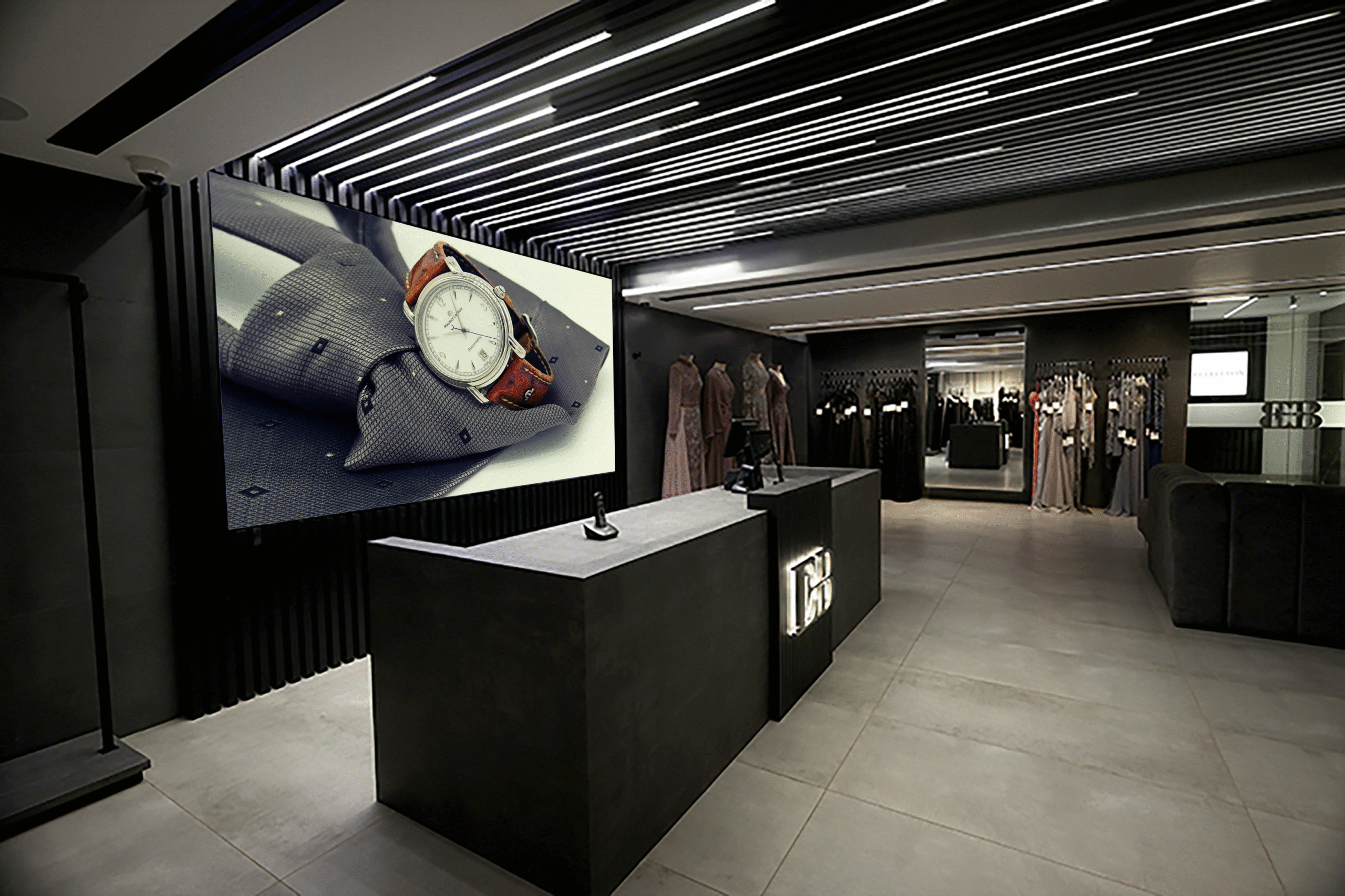
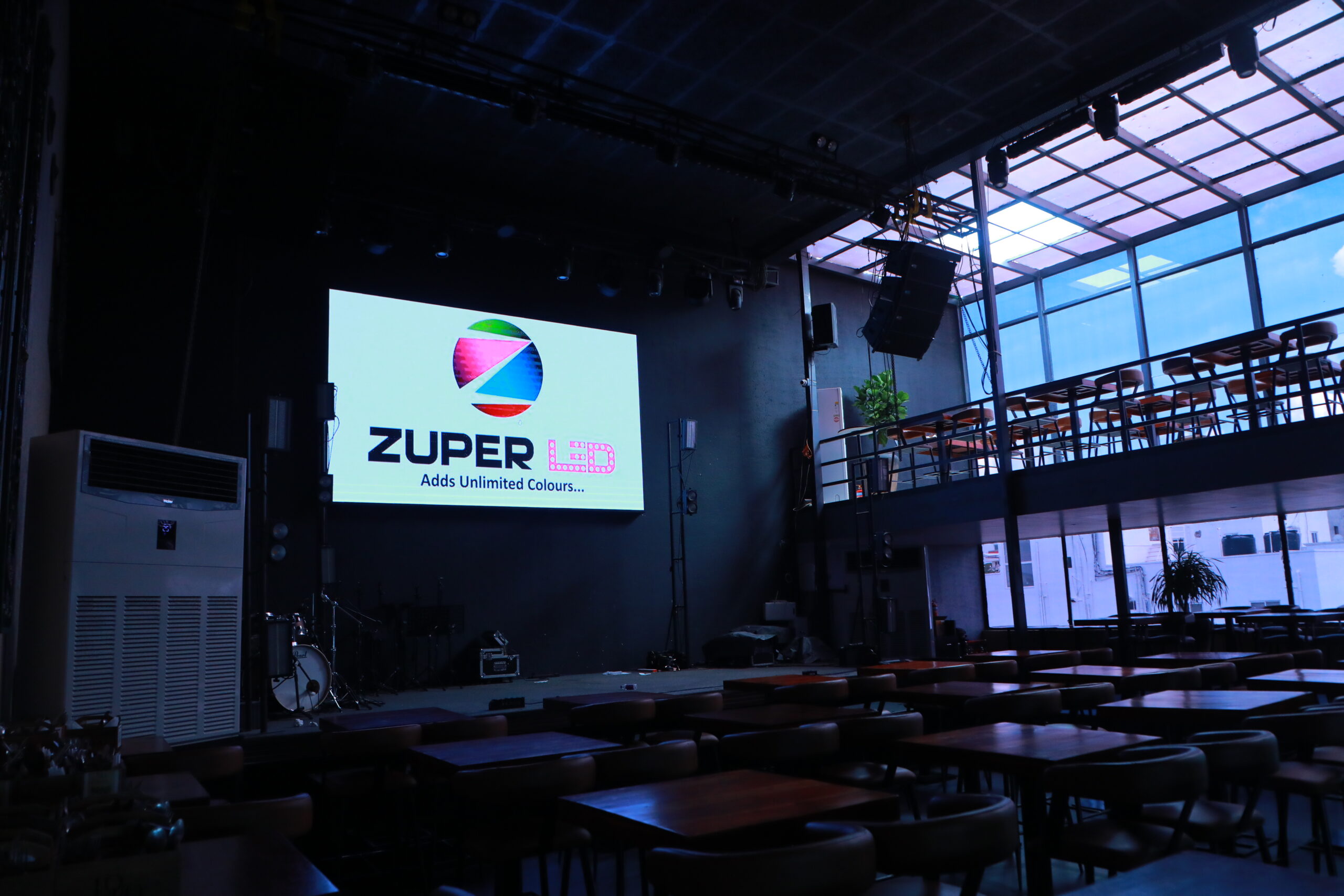
Indoor LED screens are high-resolution electronic displays made of light-emitting diode (LED) modules designed for environments where the viewing distance is closer. Unlike outdoor LEDs, they have:
Lower pixel pitch (P0.9 to P4) for sharper images
High refresh rates suitable for live video
Vivid colors and wide viewing angles
Lower brightness ideal for indoor lighting conditions
They come in various forms including LED video walls, LED cubes, curved LED panels, floor LEDs, and standalone LED displays.
Indoor LED displays are commonly used for presentations, branding, digital signage, entertainment, and interactive experiences.
Indoor LEDs offer crystal-clear resolution with high pixel density. This ensures sharp text, lifelike images, and smooth video playback — perfect for professional and commercial environments.
LED panels are modular, allowing you to create displays of any size or shape without visible gaps. This makes them ideal for:
Stage backgrounds
Digital billboards
Immersive visual walls
Indoor LEDs maintain color accuracy and brightness even when viewed from extreme angles, ensuring visibility from anywhere in the room.
They offer excellent brightness suitable for indoor lighting while consuming less power compared to LCD video walls or projection systems.
Indoor LED screens can be mounted on:
Walls
Ceilings
Stands
Curved frames
Floors
This versatility supports creative design and architecture.
Companies use indoor LED walls for:
Presentations and video conferences
Lobby welcome displays
Employee communication
Virtual meetings
LEDs enhance professionalism and improve visual clarity for large rooms.
Indoor LEDs attract customer attention with:
Promotional displays
Brand storytelling
Digital signage
Interactive product showcases
Retailers can update ads instantly and run dynamic content throughout the day.
Event organizers rely on LED screens for:
Stage backdrops
Live streaming
Product launches
Award ceremonies
Hybrid events
High refresh rates ensure flicker-free visuals for cameras.
LED screens are increasingly used for:
Digital menus
Ambient visual walls
Live entertainment
Event hosting
They help create modern, aesthetically appealing environments.
Indoor LEDs support:
Smart learning
Large classroom displays
Seminar halls
Interactive teaching
Virtual sessions
The clarity and scale make complex concepts easier to present.
Mission-critical environments such as:
Traffic monitoring
Security surveillance
Network operation centers
Government control rooms
…use indoor LED video walls for real-time data and 24/7 reliability.
Indoor LED screens enhance worship experiences by displaying:
Hymns and scriptures
Live camera feeds
Announcements
Visual storytelling
They improve engagement without disrupting the spiritual ambiance.
Used for:
Workout guidance videos
Motivational visuals
Live class sessions
Advertising of services
LEDs provide energy and dynamism within the fitness environment.
Indoor LEDs are essential for:
News and media studios
XR stages
Virtual sets
Film production LED backdrops
Their high refresh rate and color accuracy make them camera-friendly.
Creative installations include:
Interactive walls
Immersive story rooms
Digital art displays
Wayfinding
LED technology helps bring cultural stories to life.
Indoor LEDs outperform traditional LCD, projection, and printed signage due to:
Dynamic content capabilities
True-color accuracy
Long lifespan
Modern aesthetics
Easy remote content management
Near-zero maintenance
As brands and organizations focus more on digital engagement, indoor LED screens have become essential for creating impactful and memorable spaces.
